The Chaos of Competing Standards
Dec 01, 2025Most people use the feature every day without thinking twice about where the name came from — phone pair. Headphones connect. Files move. We take it for granted.
But the real story behind the name starts more than a thousand years ago, with a ruler who changed the course of Scandinavian history.
And the punchline is far better when you don’t see it coming.
The Viking King Who Pulled a Country Together
In the late 900s, Denmark was not a calm place.
Tribes fought each other. Alliances shifted. Leaders came and went. Nothing felt unified or steady.
Then a new ruler stepped in: King Harald Gormsson.
He became known for something rare in that era.
He brought rival groups together.
He grew his influence across Denmark.
He even expanded his reach into parts of Norway.
He had a strange nickname. Nobody fully agrees where it came from. Some say he had a dead tooth that looked dark. Others claim it was a reference to a darker complexion. Either way, the name followed him:
King Harald “Bluetooth.”
This part of the story seems far removed from anything you would find on your phone today.
But keep this king in mind, because the link is coming.
A Modern Problem: Devices That Refused to Talk to Each Other
Jump forward to the 1990s.
Computers were everywhere. Phones were becoming portable. Headsets were starting to appear.
Yet none of them connected easily.
- Every device had its own cable.
- Each brand used different ports.
- Wireless solutions existed, but they didn’t work together.
- Companies were trying to solve the same problem in different ways.
This created a mess for both consumers and engineers.
People wanted simple, universal communication between devices.
But the tech world had turned into a battlefield of competing standards.
IBM, Intel, Ericsson, and Nokia were all working on short-range wireless communication.
Each had its own approach.
Each wanted its solution to win.
And then something unusual happened.
They agreed to build one shared standard.
The goal was clear:
Make devices talk to each other without cables.
Make the process simple.
Make the connection stable.
They needed a name for the project.
Something internal.
Just a placeholder.
A name that would capture the idea of uniting different groups under one banner.
And this is where the past meets the present.
The Engineer Who Loved Viking History
Jim Kardach, an Intel engineer involved in developing the new wireless standard, was reading a book about Viking kings at the time.
The book mentioned Harald Gormsson and described him as the king who united Denmark.
That detail stuck with him.
He pitched a simple idea during a meeting:
“We’re trying to unite devices the same way he united tribes. Why not call the project Bluetooth?”
People laughed.
It sounded odd.
It sounded temporary.
The team planned to replace it with a slick marketing name once the technology launched.
Something futuristic.
Something polished.
But that never happened.
The placeholder name became the final name.
Once you hear the story, it’s hard to call it anything else.
Why It Works
Bluetooth isn’t just a random quirky name.
It works because:
- It’s short.
- It’s easy to say.
- It’s easy to remember.
- It ties directly to the mission: unity.
The entire point of the technology was to bring separate devices together.
A Viking king had done the same with people.
The connection was perfect.
Marketing teams often spend months searching for the right name.
In this case, the answer came from a history book.
The Logo Carries Hidden Viking Symbols
The name isn’t the only part influenced by the past.
Take a close look at the Bluetooth icon.
It’s not a stylized “B.”
It’s not a wave symbol.
It’s not meant to represent sound or wireless communication.
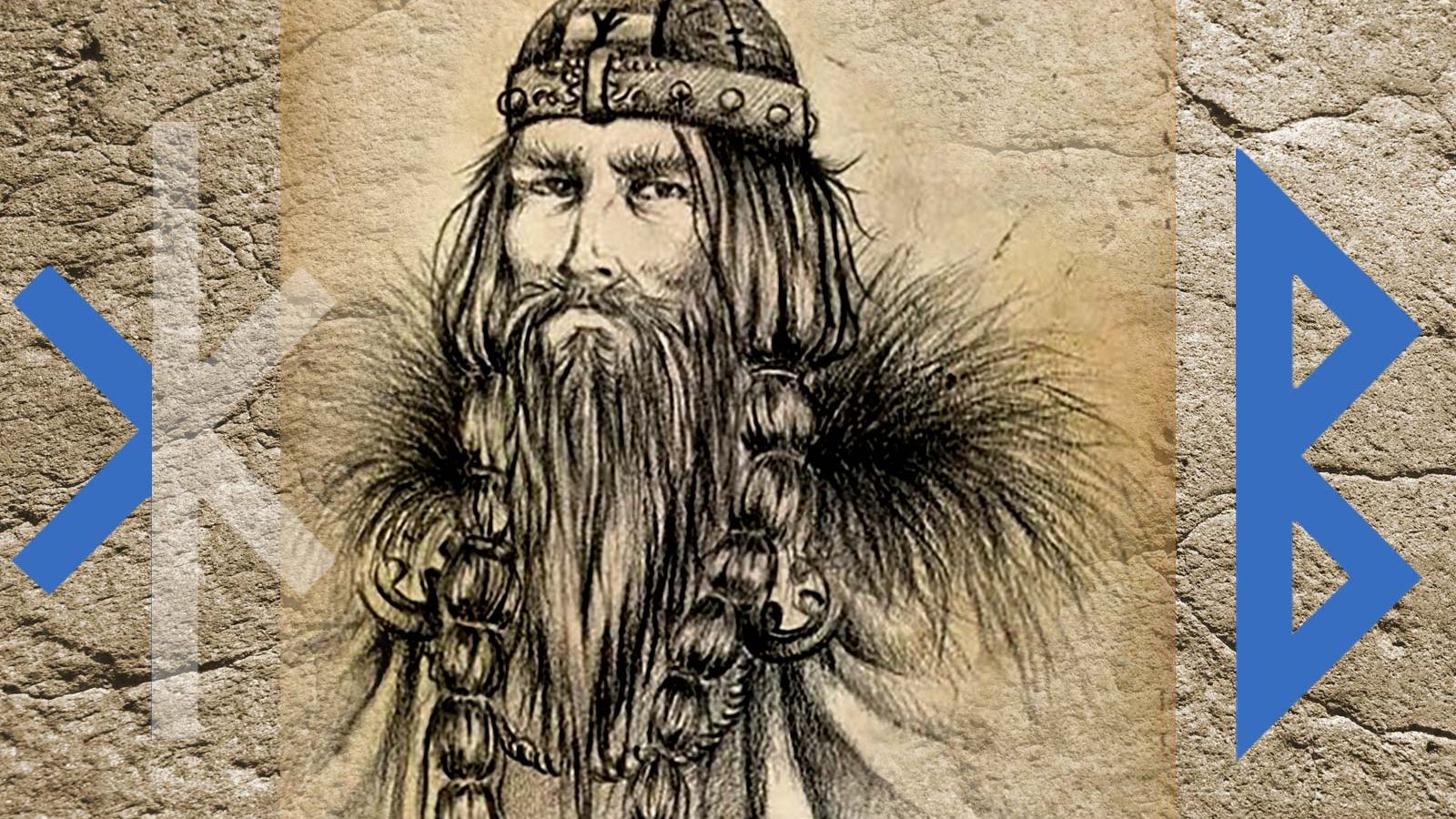
The icon is a bind rune.
Two Nordic runes merged into one:
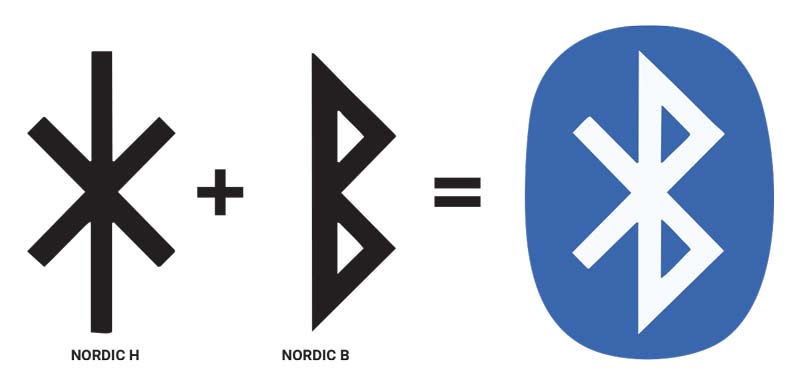
Those are Harald Bluetooth’s initials.
So every time you tap the Bluetooth symbol on your phone, you’re actually pressing a Viking monogram created over a thousand years after the man lived.
Most people don’t know this.
But once you do, you never see the logo the same way again.
What Makes This Story Powerful?
- You use Bluetooth daily.
- You switch it on without thinking.
- You pair your devices.
- You move on with your day.
- Yet the story behind it reveals a simple truth:
- Names matter.
- They carry ideas.
- They create memory.
- They shape how people talk about a product.
A strange Viking nickname turned into one of the most famous tech names in the world.
Not because it sounds modern.
Not because it’s sleek. But because it captures the core purpose of the technology.
And this raises a question worth asking:
How many products today fail because their names say nothing?
Tech companies often chase cleverness.
They want smart-sounding names and acronyms.
They try to be original for the sake of originality.
Bluetooth works because it’s clear.
It points to a story.
It builds a connection.
If you do any brand work, this is a lesson you see over and over again:
People remember names that are simple and anchored in meaning.
The Future of Bluetooth
The story doesn’t end with the name.
Bluetooth has grown far beyond its early version.
It now powers:
- Headphones
- Cars
- Smart home devices
- Medical sensors
- Fitness trackers
- Computer accessories
- Audio systems
- Toys
- Tools
- Even some industrial machines
What began as a basic short-range wireless tool has turned into a global standard.
It works on billions of devices.
It’s one of the most widespread communication technologies ever created.
Yet the name still points backward — to a king who lived more than ten centuries ago.
This contrast makes it one of the most interesting naming stories in tech.
The Naming Reveal (Finally)
So what is the connection between Bluetooth and a Viking king?
Here it is:
The technology was named after Harald “Bluetooth” Gormsson, the Viking king who united Denmark — because Bluetooth was designed to unite devices the same way he united people.
And the logo?
It’s the king’s initials written in ancient runes.
You carry that legacy in your pocket every day.
What You Can Take From This Story
This isn’t only about wireless tech.
It’s a lesson in good storytelling and branding.
Here’s what stands out:
- A name rooted in meaning lasts.
- A simple story is stronger than a clever label.
- History can inspire better modern ideas.
- People remember what feels human and unexpected.
Think about your own work.
Your brands.
Your offers.
Your course names.
Your product titles.
Are they memorable?
Do they say something clear?
Do they create a story people will repeat?
If a Viking king can inspire one of the most used tech names on the planet, it shows how powerful the right story can be.
What story will your next idea tell?